
01Running during your trip: why it works so well
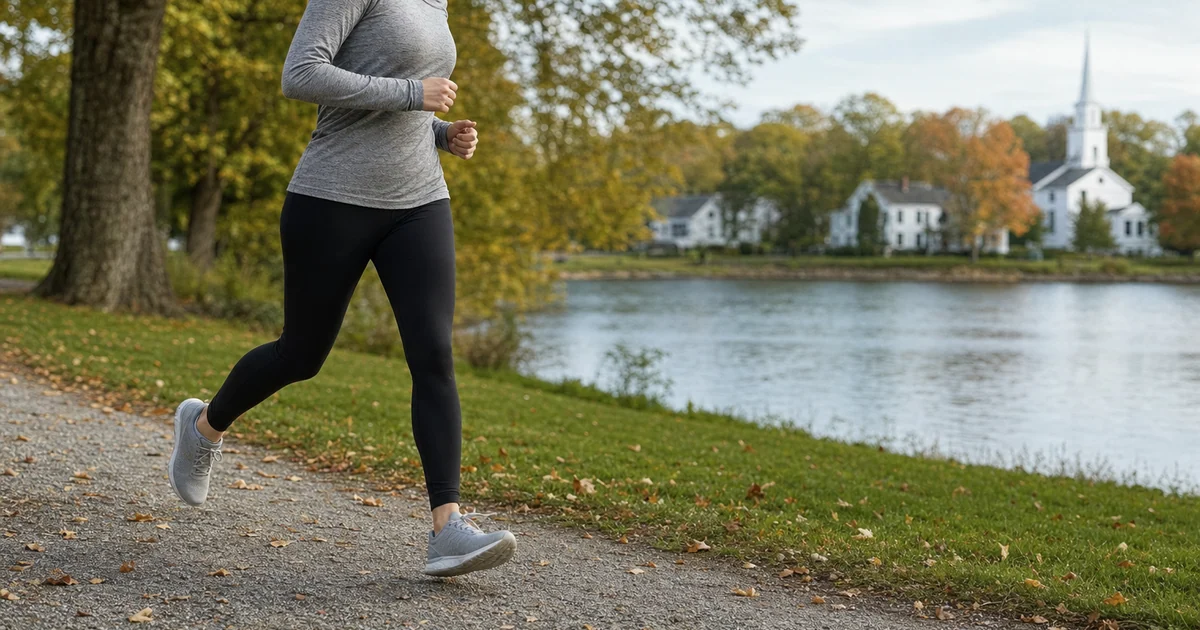
Traveling takes you out of your daily rhythm, which is why running is one of the best ways to quickly regain your balance. A short run helps against jet lag, makes you alert with fresh air, and gives you the chance to explore a new place without crowds or distractions. It almost feels like pressing a reset button — a quiet start in an unfamiliar environment.

For many runners, it is also the time to train without performance pressure. You don't have to stick to your schedule if it doesn't fit; Even a short sightseeing run or a relaxing morning stroll will give you energy. If you train toward a goal, for example via a personal schedule, you can easily plan your travel runs accordingly.
Want to use your runs to clear your head? Also read Running as a stress reducer.
02Before departure: route planning and preparation
A great run while traveling starts well before you leave the house. In an unfamiliar environment you don't want to have to stop halfway to find out where you are or whether it is still safe. By choosing a route in advance, you will run more calmly and enjoy yourself more.
Check which roads are popular among locals with heat maps. Well-lit streets and routes with other people around are often most suitable, especially in cities where traffic can be unpredictable. Assess the climate — heat and humidity affect how tough it feels — and check the elevation profile if you want to avoid hills.
Good preparations:
Use Strava Heatmaps, Komoot routes, or search local run clubs on Instagram/Google. Download maps offline so you are not dependent on cellular data. Pay attention to traffic, narrow sidewalks, height differences, and crowds. Check sunrise and sunset for the best starting time.
Many modern watches offer offline navigation and live tracking. See Using wearables to track your progress for functions that are useful on the road.
03Safe on the road: your most important priority
Obvious, but no less true. Running in a new environment feels adventurous, but also requires attention to safety. Even experienced runners can make mistakes in crowds, traffic, or poor lighting. By making a few choices in advance, you prevent unnecessary risks and you can run relaxed.
Always start in daylight or on well-lit streets. In quiet cities you can run early in the morning, while in large metropolises it is better to avoid streets with heavy car traffic. Always wear something reflective, even during the day; In unfamiliar neighborhoods, drivers or scooters do not always want to expect you.
Helpful safety tips:
Preferably run in daylight or on well-lit streets with other people around. Wear reflection and take an ID card or medical information with you. Use live tracking via your watch or phone. Avoid remote trails when running alone. Don't listen to music too loudly — keep an eye on your surroundings.
04Smart gear hacks for your trip
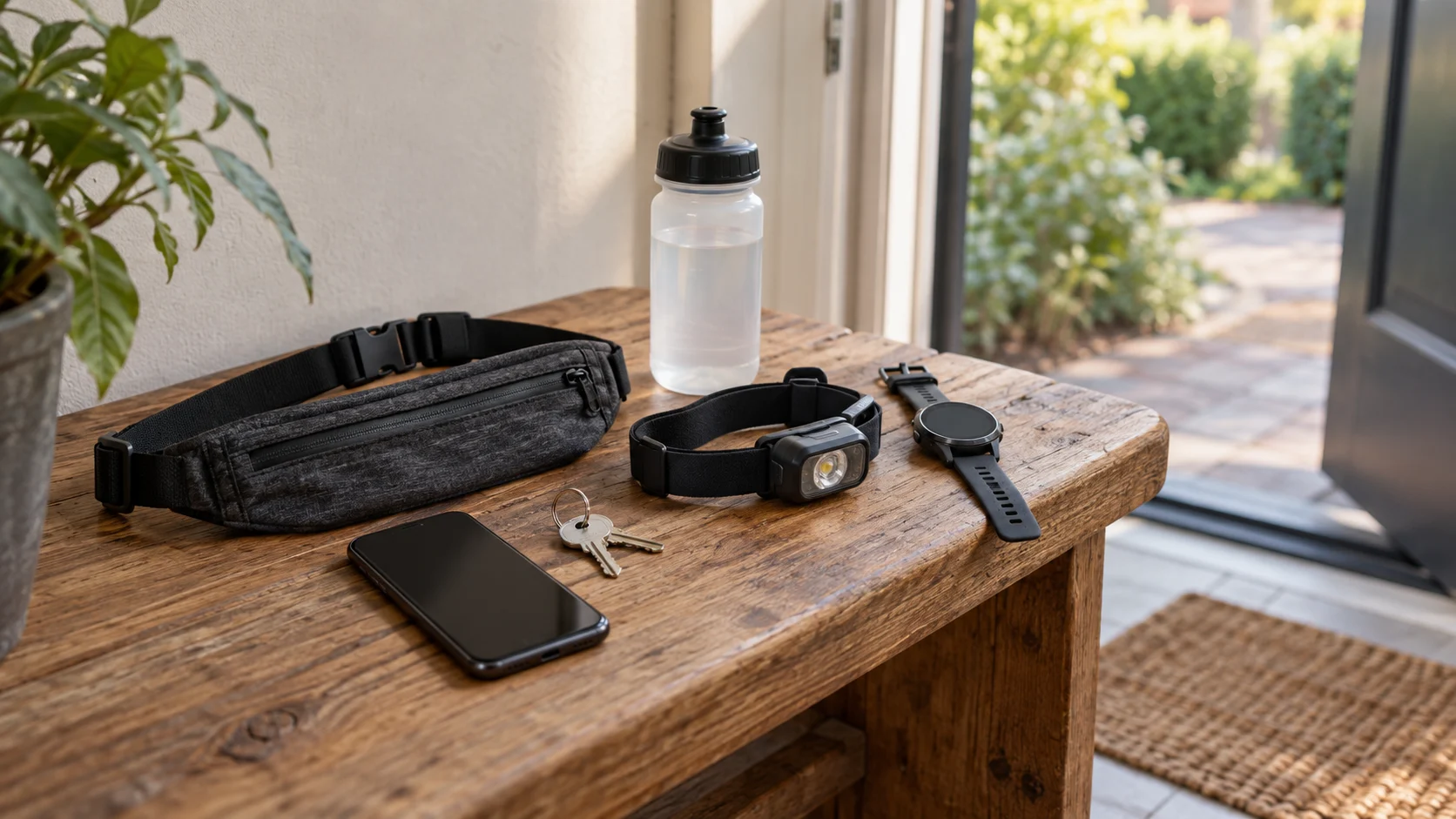
When you travel you have limited space, so you want to take items that are light, compact, and multifunctional. The trick is to take just enough gear with you to run comfortably, without your suitcase being full of sports equipment.
Think of light hydration systems, compact recovery tools, and shoes that you can wear during runs as well as casually. A small bag or belt for your phone and cards can also make a difference if you want to run without a backpack.
Recommendations:
Collapsible soft flask. Ideal for warm destinations. Mini foam roller or massage ball. Perfect after long flights or bus rides. Shoes that can also be worn casually. Saves space. Compression socks. Great for flying and recovery runs. Thin reflective strip. Almost no weight, but a lot of safety.
For more inspiration, check out Best Accessories for Runners.
05Extra tips for running anywhere
During a trip, your energy and time during the day sometimes run differently than at home. That's why it works better to remain flexible and set small, achievable goals. A run of 20 to 30 minutes is often enough to feel fit and get used to the time zone faster.
Choose your first run as a gentle "exploration run": find out where the parks are, where sidewalks are wide enough, and where you might be able to do a longer route tomorrow.
Practical advice:
Adjust your run to the local rhythm — morning runs are the best for jet lag. Use the hotel gym or stairs if running outside feels unsafe. Combine sightseeing with a leisurely endurance run. Set a minimum daily goal, such as jogging for 20 minutes.
Want to know how much to drink in warm climates? Read Hydration during hot runs.
06Trip types and best-fit runs
City trip
Business trip
Backpacking trip
Family vacation
Running while traveling requires an approach that suits the rhythm, the environment, and the practical reality of your destination. During a city trip you may want to see as much as possible without your run taking up half the morning. On a business trip it's all about efficiency and predictability, while on a backpacking trip you have more flexibility but are limited in materials. Traveling with a family requires a different strategy, in which you use short and early window moments to still exercise. By determining in advance what type of trip you are making, you can smartly tailor your training to your situation.
The table below will help you quickly choose which approach best suits your travel style.
| Type of trip | Best approach | Example |
|---|---|---|
| City trip | Short morning runs, combine sightseeing | Tour of highlights |
| Business trip | Efficiency above all, using hotel gym | 30 min treadmill or stair training |
| Backpacking trip | Bring light equipment, plan flexibly | Trail runs with soft flask |
| Vacation with family | Early and short, minimal load | Sunrise tour of 20–30 minutes |
07Common mistakes when traveling
Running while traveling often feels like a fresh reset, but in practice the same pitfalls creep in as at home—only they are magnified more quickly along the way. New cities, unknown routes, warm climates, and a tight travel schedule can cause you to make less clear choices. You suddenly find yourself in a neighborhood you didn't want to be in, you take too much stuff with you that only hinder you along the way, or you force yourself to train while you haven't yet recovered from a flight or time difference. By being aware of these patterns you can prevent many problems and keep every run safe, fun, and effective.
Common misses:
Not preparing a route → getting lost or ending up in unsafe situations. Bringing gear that is too heavy → unnecessary ballast without real added value. Walk around the hottest time of the day. Continue training despite jet lag or obvious sleep deprivation. Start too enthusiastically while your body still needs to acclimatize.
08 · FAQFrequently asked questions
Summary & next step
Running while traveling is the perfect way to stay in your rhythm and explore a new environment. With a well-prepared route, light gear, and attention to safety, you can run relaxed and confidently.
Tip: Plan one short sightseeing run on your next trip — it will change how you experience the city.




Een rustig rondje langs de bezienswaardigheden klinkt een stuk leuker dan de hotelgym, maar ligt wel echt aan de stad en hoe druk het er is. Verder: top artikel!