01Why accessories add value
Running needs relatively little equipment, and that is part of its appeal. Once you run more often, though, you start noticing the small things that would make a run more comfortable. You want to check your pace without taking your phone out. Or the last stretch of your after-work route is suddenly in the dark. That gives an accessory a clear purpose.
A running watch shows your pace and distance, a light helps you see the path, and a hydration belt lets you carry your own water. Alongside running shoes that fit well, these can make your routine more comfortable. What you choose depends on your route, the weather, and what you find yourself missing, whether you are training for your first 5K or heading out on longer runs.
This guide looks at use, fit and features. The brands and products are editorial examples to compare, selected from product information rather than a hands-on comparison test. That is the basis of the advice below.
02 · Five common accessoriesFive commonly used running accessories
Running watch
Reflective gear and lights
Hydration
Audio
Recovery tools
Each category meets a different need. A watch can be useful for intervals, while good lighting matters more on a dark path. Think about your runs first, then the features on the packaging.
1. GPS running watch
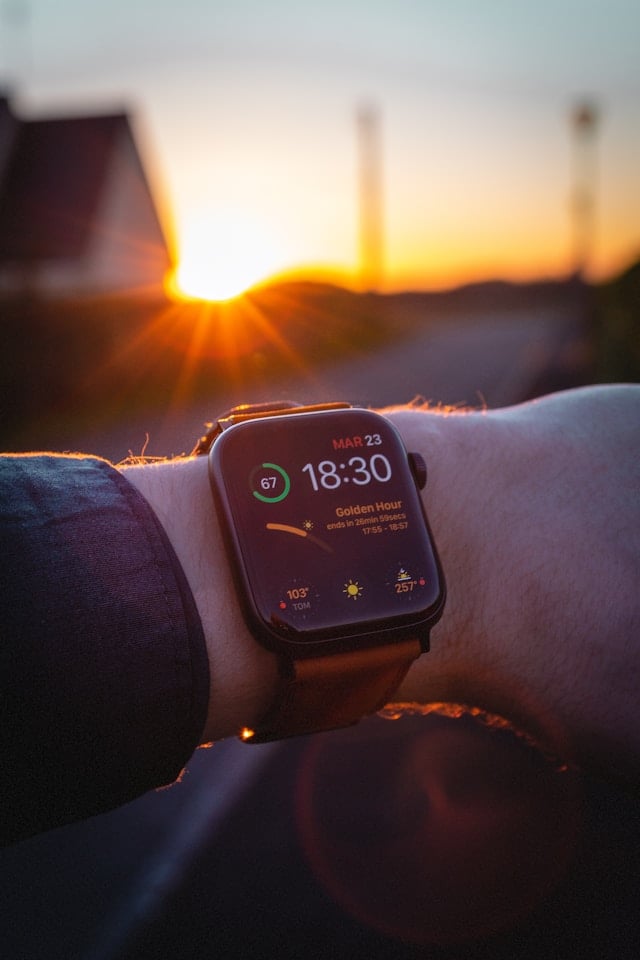
A running watch is a practical tool for many runners: it shows pace, distance, and elapsed time without reaching for a phone. On easy runs, you can check whether you are roughly on pace; during intervals, alerts help you switch between effort and recovery. That can be useful when following a 10K training plan or a personal training plan.
For a beginner, a simple training log can already be helpful. As your training becomes more specific, heart rate, lap times, and training load may become interesting too. Use those numbers alongside how you feel. A watch estimates some values, including VO₂max. Similarly, cadence describes your run. It is not a score that needs to keep rising.
Start with the features and your phone:
Specific models to compare:
A more expensive watch does not automatically improve your training. Read using wearables to track your progress for more on interpreting data, measurement limits, and how you feel.
2. Reflective gear and lights
Running in the dark raises two different questions: can you see the ground, and can other people notice you? Reflective material returns light that falls on it. A lamp produces its own light. They complement each other, but neither guarantees that a driver or cyclist will see you in time.
On well-lit streets, you may need little extra light to see the sidewalk. Reflective details and a suitable light can still be useful there. On unlit paths, you need to see where you are placing your feet. When choosing a headlamp, check its beam, controls, battery life, and whether the strap stays in place as you move.
Useful options:
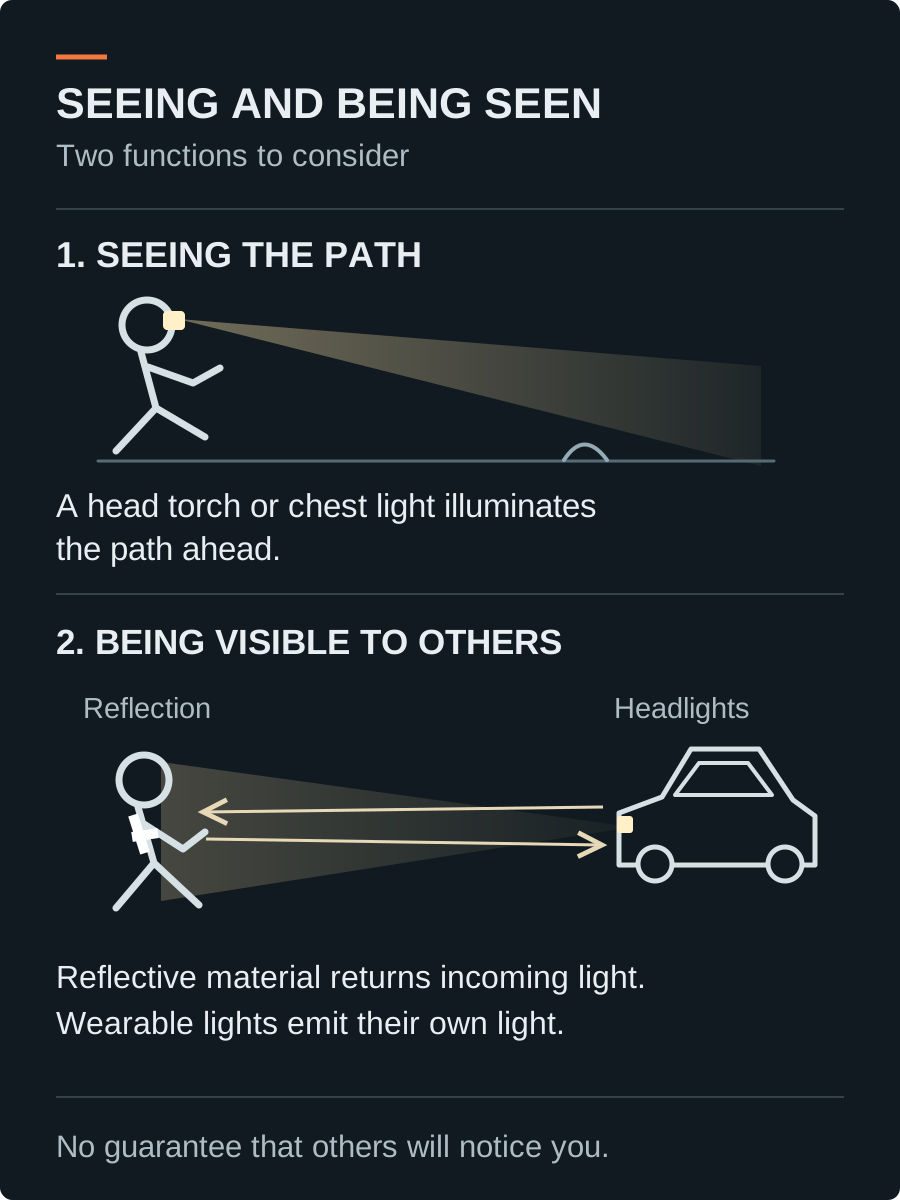
The diagram shows why a reflective panel does a different job from a headlamp. Before setting off, check that your light is charged and aimed properly. Keep paying attention to traffic, and choose a route with enough space to run.
3. Hydration: vest, belt, or handheld
Carrying your own drink gives you more flexibility on longer runs, in warm weather, or when reliable water stops are scarce. A suitable hydration system feels comfortable and carries what you need for that route. Distance alone does not determine the choice.
The three common options:
With a vest, storage volume and fluid capacity are different things. A vest described as holding several liters does not devote all of that space to water. Check which bottles or reservoir are included, how easily you can reach them, and how to clean them.
Plan your drinks around the conditions and your own needs; a larger vest is not a reason to drink more than you need. Find further guidance in hydration during hot runs.
4. Audio and comfort
Music, podcasts, or guided runs can be pleasant company, particularly on an easy outing. Sound quality is only part of the choice. An earbud that keeps coming loose, or controls that are awkward with sweaty hands, soon becomes a distraction.
Compare in-ear models with open-ear designs. In-ear earbuds fit more closely into the ear canal; open-ear designs leave it more open. This can help you hear your surroundings, but listening can still divert your attention. Open-ear headphones, bone conduction, and transparency modes do not automatically make audio safe in traffic.
Practical options and checks:
Start with a short run somewhere quiet to assess the fit. Turning the volume up further is not a solution to a hearing or comfort problem.
5. Recovery tools
Recovery is part of training. Training load, rest, sleep, and food matter most. A foam roller or massage gun can feel pleasant, but it cannot make up for missed rest. Research on these tools shows mixed and often limited effects; you cannot assume they will make you ready for the next session sooner.
Options to compare:
Do not use tools to suppress pain so that you can keep training. If symptoms persist or worsen, getting them assessed matters more than buying another product. Read more about recognizing running injuries and when to seek help.
03 · Phone and keysCarrying your phone and keys
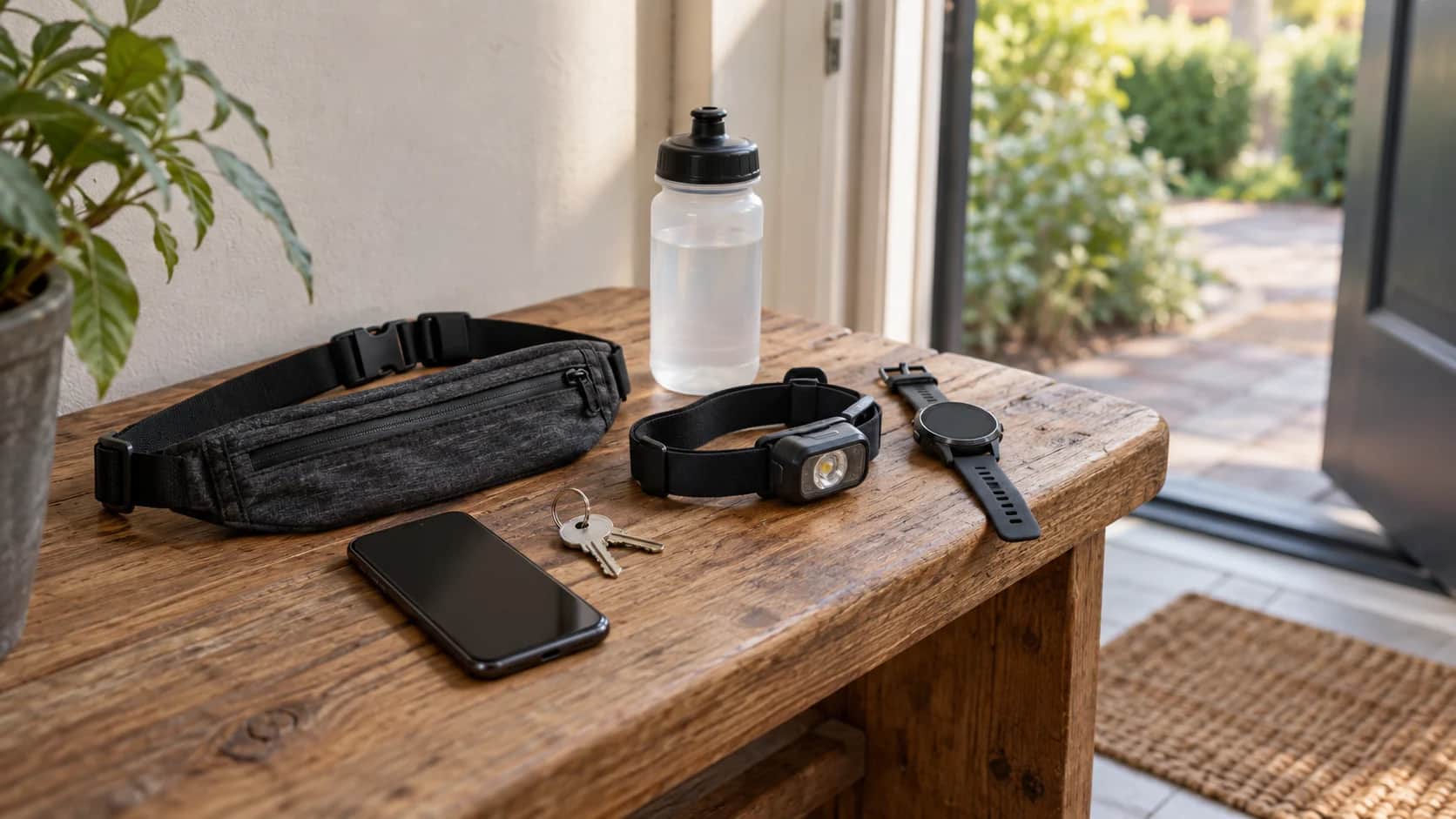
A phone shifting around in your jacket pocket can demand more attention than the run itself. Start with the pockets in clothes you already own. A close-fitting pocket with a secure fastening may be enough for your phone and keys. If you carry more, or the contents move too much, a running belt or armband is worth trying.
A belt keeps your hands free and carries your belongings around your waist. An armband holds your phone on your upper arm, which may feel different as you move. Your phone's size, clothing, and the fit all affect which feels most comfortable.
The Kiprun Basic 2 running phone belt is one example, with a phone pocket and a separate small key compartment. Try it with your own phone and case. This belt is not waterproof, so consider how you will protect your belongings from rain and sweat.
Try the zipper and the different pockets too. You want to reach your belongings without repeatedly stopping to turn the belt around. Keep keys away from your screen, and test your chosen option on a short run first.
04Which accessories suit your run?
There is plenty of running gear to choose from, but you will not need all of it on every outing. The aim is the right tool at the right time. This table helps you choose based on your run, rather than the number of features a product offers.
| Run or situation | Suitable option | Why, and what to check |
|---|---|---|
| A short, familiar run | A running watch if you want to track time, pace, or distance | Useful for recording a run; its duration does not oblige you to carry extra gear. |
| A long run or few water stops | A hydration belt, vest, or handheld bottle | Carry what suits your route and drinking needs. A vest is particularly useful when you also carry more belongings. |
| A morning or evening run in the dark | Reflective gear and a suitable light; a headlamp for a dark path | Separate being seen from seeing the ground yourself. Check the charge and fit. |
| Warm weather | A comfortable way to carry a drink | Consider duration, conditions, and water stops; more capacity does not mean you must drink it all. |
| A recovery day or stiff muscles | An optional foam roller or massage gun for comfort | An optional tool, not a substitute for recovery or having symptoms assessed. |
| Carrying a phone and keys | A secure clothing pocket, running belt, or armband | Test it with your belongings, including your phone case. Check movement, rubbing, and protection from moisture. |
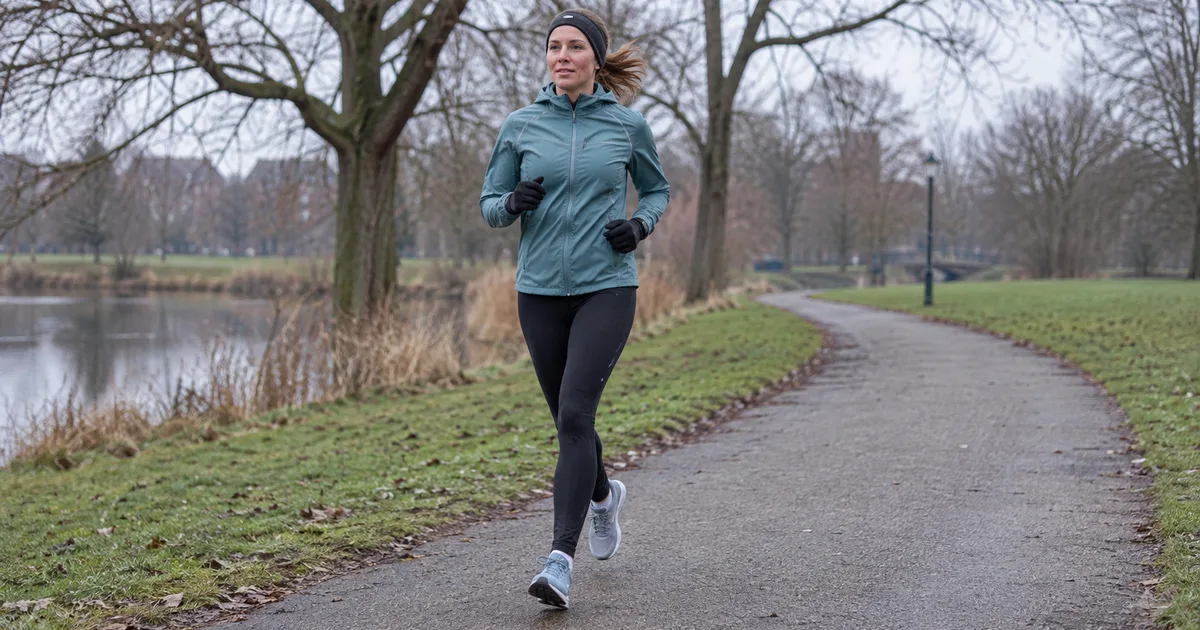
For cold runs, clothing matters too. Read winter running clothing for more on layers, gloves, and headbands, so you can choose accessories that work with what you already wear.
05What to check before buying
An accessory that is too heavy, too loose, or too complicated can interrupt your run. A useful purchase depends on how it feels while running, as well as its features on paper. Does it suit the way you move? Does it stay in place when you pick up the pace? Can you use the controls without repeatedly stopping?
Take time to try products properly: jog a few steps in the store, fill a hydration belt to feel the weight, or check whether earbuds stay in place as you move. A small detail can make a big difference on a longer run.
Useful buying criteria:
06Recommended brands and gear
Use this selection as a starting point when looking for new gear. The brands and products match the categories above, but fit and usefulness remain personal. Our editorial selection is based on the type of product and verifiable features, not our own comparative product test.
The specific watch examples appear earlier in the guide. Below are focused brand and category pages, with suggestions for what to compare. Some manufacturers link to a store serving another country; check delivery areas and return conditions before ordering.
Watches
Garmin running watches, Polar running watches, COROS, and Apple Watch offer options to compare. Look at training features, controls, and phone compatibility; a brand name does not tell you which model suits you.
Reflective gear and lights
Proviz running vests, Nathan reflective gear, and reflective running gear and lights at Decathlon provide different visibility options. Compare fit and visibility from different directions; reflective material does not light the path for you.
Hydration
Browse Salomon hydration vests, CamelBak's running range, and Instinct packs. Compare fluid capacity, storage, and fit with full bottles. A bigger bag is not automatically a better running bag.
Audio
Shokz and JBL sport earbuds offer different designs to compare. Bose Ultra Open Earbuds are one specific open-ear example; the link provides UK product information. Check each model's fit, sweat resistance, and controls. Leave room for surrounding sounds and keep paying attention to what is happening around you.
Recovery
A smooth foam roller is a simple product example. The Therabody Theragun Mini, third generation is a compact massage gun. Compare ease of use and price range; a higher price does not demonstrate a better recovery effect.
07 · MistakesCommon mistakes
Many runners first try a new accessory during a race. That is an awkward time to discover a bouncing bottle or a seam that rubs. Give new gear a few ordinary training runs first, with the same contents and clothing you will use later.
Avoid these mistakes:
Start with an accessory that solves a specific annoyance or has a clear purpose. Your runs will help you work out which other features, if any, you still want.
08 · FAQFrequently asked questions
Summary and next step
Choose accessories around your runs: what do you want to measure, what do you need to see, and what will you carry? Use the table to narrow your choices and try products with your own belongings. Once your equipment feels comfortable to use, you can turn your attention back to running.