01 · Why beginners start too fastWhy most beginners start too fast
Almost everyone who starts running knows the feeling: you lace up, head out full of energy, and a few minutes later you are standing still, out of breath. That says little about your talent. The pace was simply too fast for a body that is not used to running yet.
Your fitness often improves faster than your muscles, tendons, and bones can adapt. A workout in week three may already feel easy, while your legs still need time to get used to the impact of every stride. Building up slowly is not a sign of weakness. It is how you make sure you are still running a few months from now.
02 · Mixing running and walkingThe first weeks: mixing running and walking
The most common way to start is the run-walk method: you alternate short stretches of running with walking. A first workout might be a five-minute walk followed by eight rounds of one minute of easy running with a minute and a half of walking in between. Week by week, the running intervals get longer and the walking breaks get relatively shorter, until you can run for about half an hour without stopping.
A few rules of thumb for those first weeks:
Our couch to 5K plan lays out this build-up week by week, including which week to start in if you can already run for a few minutes.
03 · How fast should you run?How fast should you run? The talk test
For beginners, one test is enough: can you still say a full sentence while running? Then you are at the right pace. If you are gasping after every word, you are going too fast; walk for a moment and start the next interval more slowly. That conversational pace often feels almost too slow at first, and that is exactly the point.
You do not need a watch or heart rate monitor. If you want more guidance later, heart rate zones explained covers what heart rate data can and cannot tell you. If your breathing speeds up quickly, the tips on breathing techniques while running can help.
04What gear do you need?
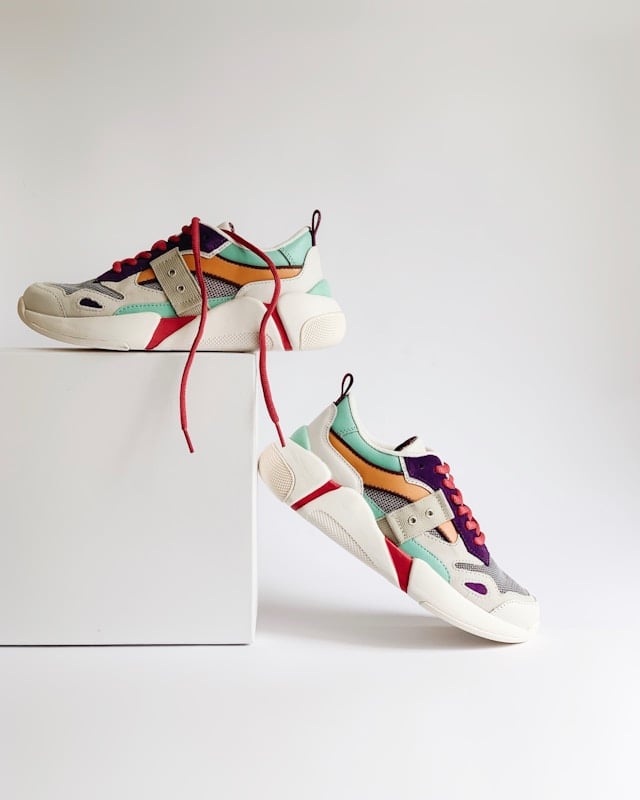
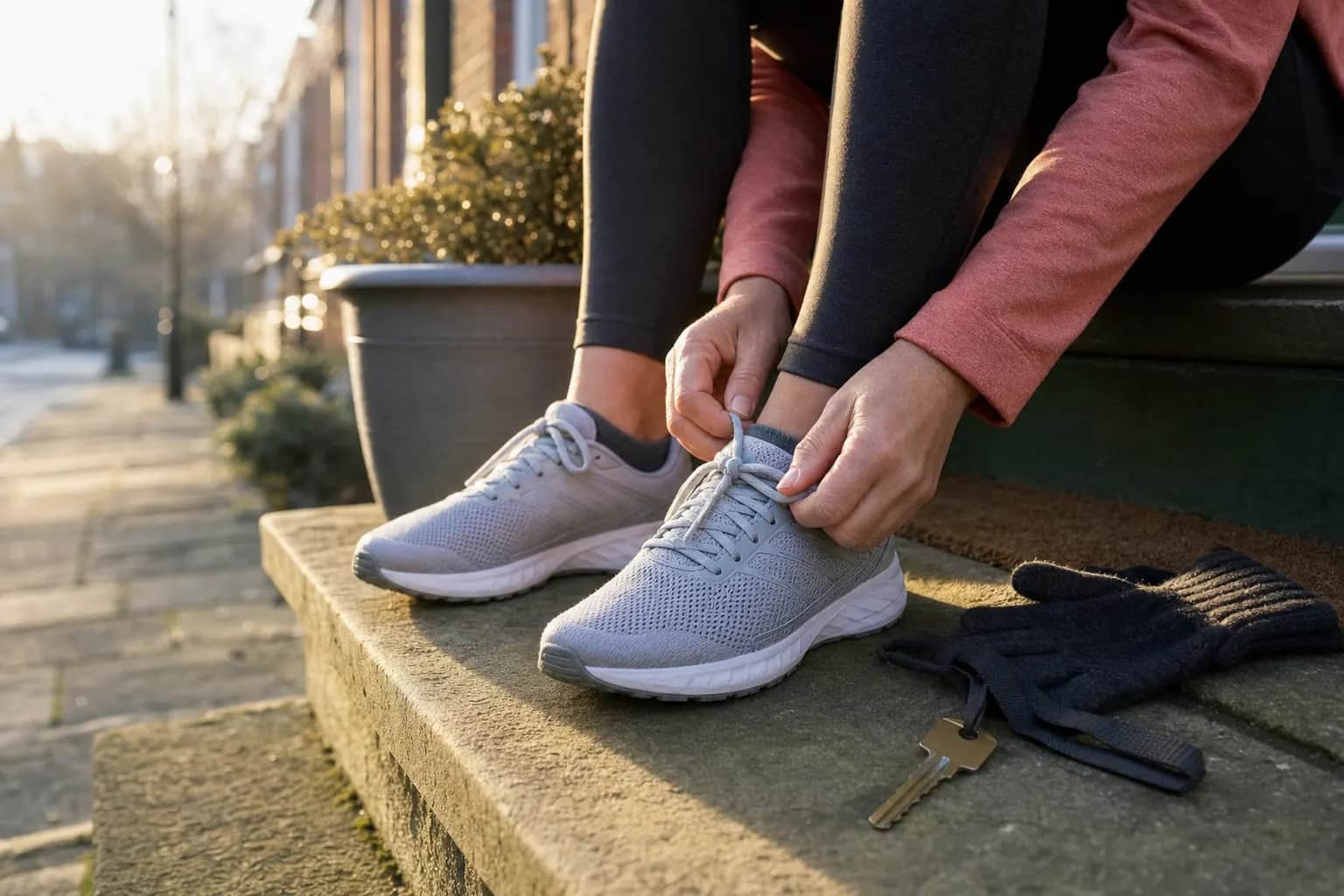
You need very little to get started. Most important are running shoes that feel comfortable: enough room for your toes, no pressure points, and a heel that does not slip. An expensive shoe is not a requirement. How to choose running shoes explains what to look for when you try them on.
Beyond that: clothes that do not chafe and that will not feel too warm after ten minutes of running. A sports watch, app, or chest strap can be fun, but a regular clock works fine to get started.
05 · Warm-up and techniqueWarming up, cooling down, and technique
Start every workout with five minutes of brisk walking and finish with a few minutes of easy walking. That gives your muscles and joints time to warm up and settle down again. You will find more ideas in warm-up and cool-down.

You do not need to worry much about technique at the start. Run relaxed, with loose shoulders and short, light steps. If you do want to work on it, running posture and technique offers a few pointers.
06 · Pain and recoveryPain, recovery, and rest days
Some muscle soreness or tired legs after your first workouts is normal. Pain that gets worse while you run, stays in one spot, or changes the way you move is a signal to stop. Rest, and have persistent pain checked. Spotting and preventing injuries explains which signals matter.
Recovery mostly happens between workouts. Rest days and enough sleep are just as important as the runs themselves; more on that in sleep and recovery. If you are 60 or older, had an injury in the past year, or are starting after a long break from exercise, build up even more gradually. If you are unsure whether running is a good idea for you, talk to your doctor first.
07 · Keeping it upKeeping it up: making running a habit
The biggest challenge is usually not the first workout, but the tenth. A few things help:
If it is mostly in your head, it helps to read about the psychology of running: from setting goals to dealing with an off day.
08 · Your first 5KWhen are you ready for your first 5K?
Once you can run for about half an hour at an easy pace without stopping, 5 km (3.1 mi)3.1 mi (5 km) is often within reach. How long that takes depends on your pace: at 7:00 min / km11:16 min / mi, a 5K takes about 35 minutes. If you start from zero, you usually need a few extra weeks after that first 30 minutes.
Want a set example to follow? Choose the couch to 5K plan. If you can already run for 20 minutes or more, the 5K training plan is a better fit. Prefer a plan built around your own days and starting level? Create a personalized plan.