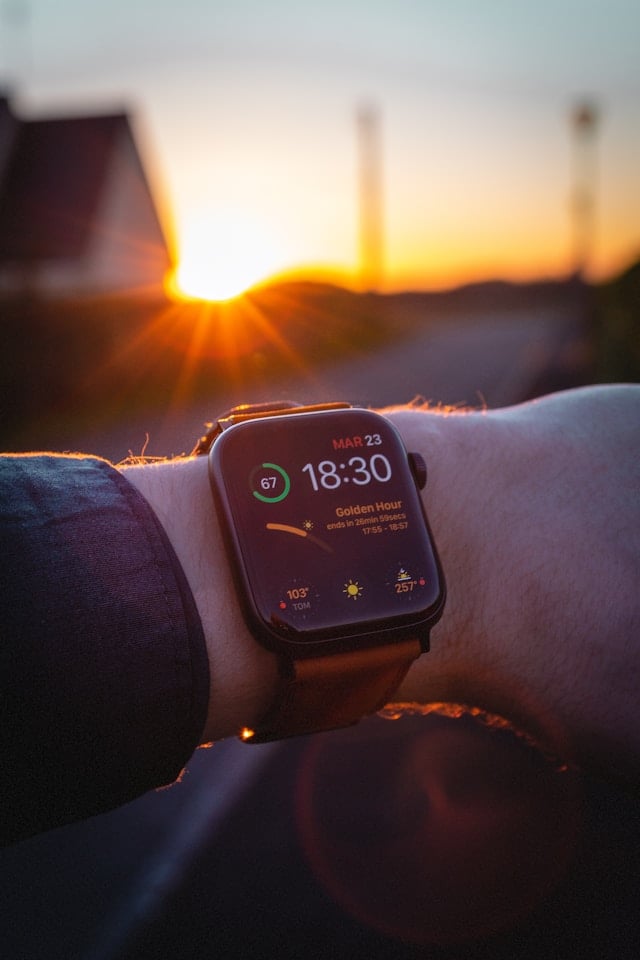
Sleep is the cheapest and most underrated performance booster you have. While you rest, your body runs at full speed: muscle fibers are repaired, glycogen stores are replenished, and your hormone balance is restored. Sleep is the time when training actually translates into progress.
Without those hours of recovery, fatigue accumulates, training sessions feel harder than necessary, and you lag behind in strength, pace, and motivation.
Good sleep not only makes you physically stronger, but also mentally sharper. Your concentration improves, your coordination becomes more stable, and you make fewer technical mistakes while running. Runners who get 7–9 hours of quality sleep demonstrably recover faster and respond better to intensive stimuli than runners who structurally lack sleep.
Do you want to know if your sleep is really enough? Use your resting heart rate, HRV, and recovery index as feedback. Use of wearables to track your progress shows which devices measure that data most reliably and how to interpret it.
Sleep is not time away from training. It is where training becomes adaptation.
A regular sleep schedule is one of the most powerful ways to improve your recovery.
As much as possible, go to bed at the same time and get up at a similar time.Consistency strengthens your circadian rhythm — your internal clock — which helps your body know when to recover, warm up, and cool down.After a few weeks you will notice that you fall asleep more easily, sleep deeper, and wake up feeling refreshed, even after intensive training days.
A good night starts well before you get into bed. By making your evening time as low-stimulus as possible, you lower your heart rate and give your nervous system a signal that it is time to switch gears.
Dim lights an hour before bedtime and limit screen time to avoid blue light.Use a short stretching session or relaxation technique such as box breathing or a body scan.Don't drink caffeine after noon: coffee, green tea, and energy drinks remain active for hours.Avoid heavy meals just before bedtime — otherwise your digestion will keep your body running for too long.
You already know calm breathing rhythms from running. Also use it in the evening: Breathing techniques while running contains patterns that are ideal for lowering your heart rate before going to sleep.
A falling body temperature is an essential sleep signal. A cool room helps you fall into deep sleep faster.
Aim for a temperature between 61–64°F (16–18°C) for optimal sleep quality.Ventilate your room and ensure that your sleeping environment is dark with blackout curtains or a sleeping mask.Noise pollution? Earplugs or white noise can provide a quiet, constant auditory environment that makes you less likely to wake up.
A combination of rhythm, relaxation, and environment makes your sleep not only longer, but above all more effective — exactly what you need as a runner to recover better and become stronger.
Recovery isn't a one-time event after a workout — it's an ongoing habit that determines how strong you ultimately become. By incorporating small recovery actions every day, you give your body exactly the space it needs to process training stimuli. These habits take little time, but yield a lot: less stiffness, better sleep, and more consistent progress.
In addition, good daily routines help to recognize overload early. If you notice that your sleep is getting worse, your legs feel heavier, or your motivation is decreasing, you can make immediate adjustments. This way you prevent fatigue from accumulating and ultimately turning into an injury.
After a hard training day, plan an active recovery day: walking, yoga, or gentle cycling.Use a foam roller or massage gun for a maximum of 10 minutes per muscle group.Record sleep quality (hours + feeling) in your training log. This way you discover patterns between sleep and performance.Have a short evening reflection: write down three things that went well. This reduces worrying.
Sleep affects virtually every physical and mental factor that determines how well you run. From muscle recovery and hormone balance to focus, pace, and heart rate — everything depends on how many hours you take. This table shows at a glance what different sleep durations mean for your recovery and your performance. Use it as a guideline to adjust your sleep to your training load, especially in periods with intensive blocks or races.
Sleep duration
Effect on recovery
Effect on performance
< 6 hours
Incomplete muscle recovery, increased risk of injury
Higher heart rate, less focus
7–8 hours
Good balance between physical recovery and energy
Stable pace, less fatigue
9 hours
Maximum recovery capacity, ideal for heavy training blocks
Your body indicates early on when the balance between load and recovery starts to tilt. These signals are subtle, but almost always consistent once you pay attention to them. By recognizing them in time, you prevent fatigue from turning into injuries, overtraining, or weeks of lackluster running. So do not see these signals as weakness, but as valuable feedback from your system.
You doze off during the day, have difficulty concentrating, or are unusually irritable.Your resting heart rate is 5 beats or more higher than normal — a classic sign of recovery deficiency.Your workouts feel structurally harder at the same heart rate or pace.You normally get enough sleep, but you still don't feel rested or “flat.”You have less desire to run or have to force yourself to leave.Muscles remain stiff or sore longer than normal, even after light runs.
Improving sleep seems simple, but in practice small habits quickly creep in and undermine your night's sleep — often without you even realizing it. Many runners focus mainly on training and nutrition, while poor sleep unknowingly puts a brake on recovery, hormones, and motivation. By recognizing these common mistakes, you can immediately improve your sleep.
Thinking that one good night's sleep is enough compensation → recovery works cumulatively.Training at high intensity too late → adrenaline prevents you from falling asleep.Sleeping with your phone or laptop → blue light suppresses melatonin.Using only physical recovery methods without mental relaxation.
A warm-up prepares your muscles and tendons so you move more efficiently and reduce risk. A cool-down helps your body return to baseline more gradually.
Zone 2 is easy aerobic running where you can speak comfortably and build endurance. Use it on recovery days and for long easy runs.
Heat, stress, caffeine, or insufficient recovery can all cause spikes. Slow down, hydrate, and review your sleep and total training load.
An elevated resting heart rate can point to fatigue or the early stages of illness. Track trends and adjust your training if the rise persists.
Include at least one full rest day each week and keep easy runs truly easy. That lets you recharge for quality sessions and prevents accumulating fatigue.
Increase your longest run by no more than about 10-15% per week and include a shorter long run every 3-4 weeks. Stay in Zone 2 and test nutrition and hydration.
Test your breakfast and drinking strategy during long runs. Practice with gels so your stomach and intestines can adapt.
Reduce training volume by around 10-30% in the final 1-2 weeks, while keeping some short accelerations. That way you reach the start fresh and sharp.
Trying new shoes or nutrition and training too hard are common ones. Stick to your routine and focus on sleep and recovery.
Take 1-2 very easy weeks with walking, light mobility, and short recovery runs. Then review your race and plan your next block.
Reduce your volume by around 20-40% over the final 2-3 weeks while keeping a few short accelerations. Focus on sleep, nutrition, and mental preparation.
Briefly ease your pace, relax your stride, and take fluids or fuel if it is safe to do so. Afterward, review your load and electrolyte strategy.
Expect 2-3 weeks before returning to quality work, sometimes longer. Start with walking and short recovery runs and rebuild patiently.
Temporarily reduce your load and add controlled strength and stability exercises. See a sports physical therapist if the symptoms persist.
Look for persistent stiffness, a rising resting heart rate, and a drop in performance. Reduce your training load and focus on recovery.
Run at a very relaxed pace where speaking feels effortless. The goal is circulation and recovery, not training stimulus.
Aim for 7-9 hours per night and keep bedtimes regular. Extra sleep around heavy training phases noticeably improves recovery.
Adequate fluid intake supports circulation and muscle recovery. In warm conditions, add electrolytes to replace losses.
Reduce both volume and intensity by 20-30% while maintaining technique and mobility. You will return fresher for the next block.
Focus on hips, ankles, and upper back with short, regular routines. Pair this with light foam rolling around harder sessions.
Use one or two low-threshold sessions per week as active recovery. Keep the intensity moderate so it supports rather than compromises your running.
During running they can improve comfort, though the performance benefit is small. After training, many runners feel their legs are less heavy.
Keep the first 1-2 days to short easy runs and shift your timing gradually. Hydration, daylight exposure, and regular sleep help you adapt faster.
Treat one missed session as noise, not disaster. Pick things up calmly and avoid compensating in a way that increases injury risk.
Ease the pace slightly, exhale more deeply, and press your hand under the rib cage. It often settles within a few minutes; only resume pace when it is gone.
Temporarily reduce your volume and do eccentric calf raises. Rebuild gradually and avoid too much explosive push-off until the pain settles.
Pain on the outside of the knee is often linked to loading and stability issues. Reduce intensity, work on hip strength, and consult a sports physical therapist if needed.
Morning stiffness and pain under the heel are typical signs. Reduce load, stretch the arch, and gradually strengthen your calves and foot muscles.
Stop sprinting and fast work for now, and begin with light strength and isometric exercises. Only reintroduce speed when pain has clearly decreased.
DOMS feels stiff and diffuse and usually improves after warming up. Injury pain is often sharper and more local. If unsure, choose rest or an easy recovery run.
Ice can provide some relief in the acute phase, while heat can help muscles relax later on. The key remains reducing load and planning recovery well.
A massage gun can temporarily reduce muscle tension and stimulate circulation. Use it briefly and specifically, and never as a substitute for rest.
A few times per week for 5-10 minutes around harder sessions is usually enough. Focus on calves, quads/IT-band region, and glutes without overdoing it.
Keep regular bedtimes, use a cool dark room, and limit screen time before sleep. Short power naps can help during heavy training weeks.
Choose light, easily digestible carbohydrates such as toast, banana, or yogurt with honey. Give yourself 30-90 minutes to digest it.
In warm weather or during long sessions, electrolytes help you retain fluid better. They are especially useful for runs longer than an hour or when you sweat heavily.
Slow your pace, run early or late, and hydrate more. Choose shaded routes and shorten hard sessions if needed.
HRV can show recovery trends, but always interpret it in context with sleep, stress, and how you feel. Use it as an extra data point, not your only guide.
Start with a short easy run to loosen your legs and hydrate well. Listen to your body after long sitting and reduced sleep.
It helps consolidate your adaptations and prevents fatigue from stacking up. After that, you can hit quality work again with better sharpness.
Cycling and swimming preserve fitness while reducing joint stress. Choose something you enjoy so you are more likely to stick with it.
Run early or after rain and consider sports sunglasses to reduce pollen exposure. Ask your doctor which medication suits you best.
Stay flexible because energy levels and pain tolerance can fluctuate. Warm up a little longer and switch to easy runs if cramps are strong.
Start two levels below your old training plan and only add intensity again after 2-3 weeks. Focus on technique and recovery first.
Recovery becomes more important, so plan more easy days and keep strength training in the mix. Quality work is still possible with smart dosing.