01 · Why accessories add valueWhy accessories add value
Running may feel like a sport that requires very little — and that's the beauty of it. But as soon as you run more often, you will discover how much nicer, safer and more consistent your workouts become with the right accessories. A running watch provides insight into your pace and the number of steps you take per minute; a higher cadence helps you run more efficiently and lighter. Reflection makes you visible in the dark, and a hydration system prevents you from drinking too little during longer endurance runs or hot days.
Accessories are therefore not a luxury, but an extension of your running routine in addition to good running shoes. They ensure that you can train focused, have to improvise less and run with more pleasure — whether you are training for your first 5K or working towards a half marathon. The goal is simple: to make you run more comfortably, so that you keep coming back for more.
02 · Top 5 accessoriesTop 5 essential running accessories
Running watch
Visibility
Hydration
Audio
Recovery tools
These five accessories make the biggest difference for almost every runner. They help you train smarter, run safer and recover better.
1. running watch (GPS)
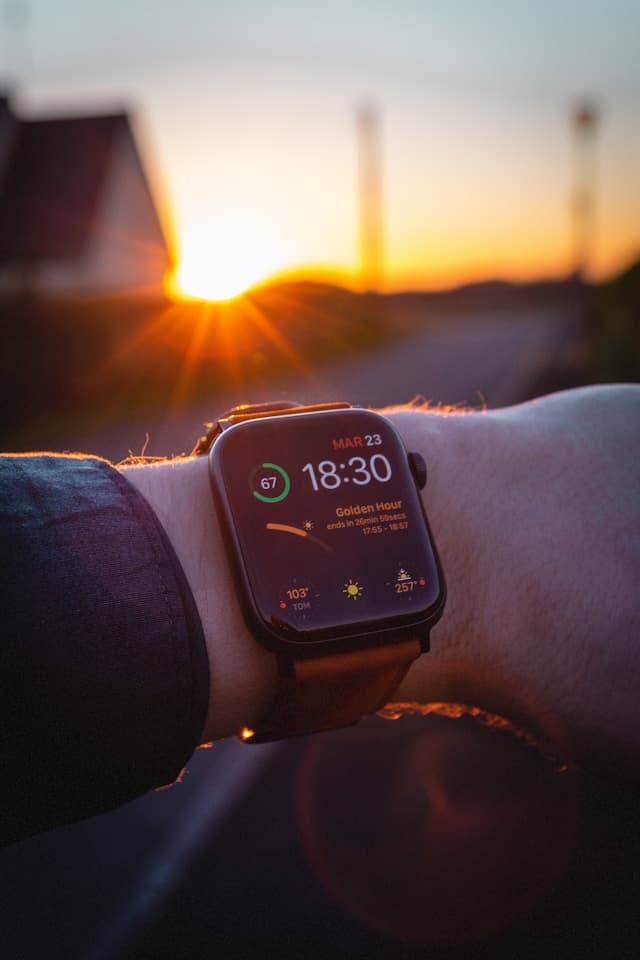
For many runners, a running watch is the tool that changes everything. It helps you understand what your body is doing, and it keeps you honest during workouts. During easy endurance runs you can immediately see whether you are going too fast, and during intervals it helps you to maintain the pace. It's especially valuable when training with heart rate zones — for example, during a 10 km or longer distance schedule. When making a personal schedule it is also nice to carefully measure how fast you are actually going.
For beginners, a watch offers guidance: you see progress and get motivation to keep training. For advanced runners, it is the detailed information that is valuable: zones, recovery advice, VO₂max trends and training load.
Recommended based on telephone:
For avid and long-distance runners:
2. Visibility & lights
Visibility is essential when running in the dark or in bad weather. Good reflection and lighting ensure that other road users see you well in time. This not only increases your safety, but also gives you peace of mind: you do not have to constantly hold back or step aside.
The type of lighting depends on where you run. In well-lit areas, a reflective vest is often sufficient. However, if you run on dark paths, in parks or country roads, a headlamp is indispensable. This way you see the way and others see you.
Helpful choices:
3. Hydration: vest, belt or handheld
The longer you run, the more hydration counts. Especially during longer endurance runs, in the summer or when you are training for a half or full marathon, drinking is not a luxury but a necessity. A hydration accessory ensures that you drink evenly and don't have to guess when you come across the next fountain.
Options:
Also read: Hydration during hot runs.
4. Audio & comfort
Audio can have a surprisingly big impact on your running experience. Music, podcasts or guided runs can help you get into a comfortable rhythm, clear your mind or give you that little bit of motivation to keep up the training. Many runners find that audio stabilizes their stride rhythm and makes a longer run feel lighter. At the same time, comfort and safety are important: earplugs must stay in place, be sweat-resistant and you must be able to hear sufficient ambient noise when running in busy traffic. By consciously choosing which type of earplug suits your environment and running goal, you make audio a safe and effective part of your routine.
Practical options:
5.Recovery tools
Recovery is an essential part of good training, and yet many runners still skip it too often. While you cause minor muscle damage while running, it is in the hours afterwards that your body repairs itself and comes back stronger. Recovery tools help speed up that process: they reduce muscle tension, improve blood circulation and ensure that you are ready for your next training faster. Especially when you increase your weekly volume, add longer endurance runs or are working towards a competition, simple aids can make the difference between continuing to run smoothly and running into overload. By consciously making recovery part of your routine, you build up more sustainably and reduce the risk of injuries.
Recommended:
Do you notice that fatigue is piling up or are you unsure whether a pain is serious? Then read Mindset for injuries for clear guidelines on what you should and should not do in case of complaints.
03 · When do you use what?When do you use what?
The range of running accessories is wide, but you don't always need everything. It's all about the right tool at the right time. When you understand which item suits which type of training or weather situation, your running experience will not only be more comfortable but also safer and more effective. Think hydration for longer runs, early morning relief, or recovery tools on your rest day. The table below helps you quickly choose what makes the most sense and when — without taking any unnecessary items with you.
| Moment / Weather | Accessory | Why |
|---|---|---|
| Short run (±45 min) | running watch | Tracks pace and distance |
| Long endurance run (>60 min) | Hydration vest | You drink evenly and prevent dehydration |
| Morning / Evening | Reflection + lighting | Safety and visibility |
| Warm weather | Drinking belt or handheld | Comfort and hydration |
| Recovery day | Recovery tools | Less muscle tension |
04 · What to check when buying?What do you pay attention to when purchasing?
Accessories sometimes seem like small details, but they determine a surprising amount of your running comfort. An accessory that is too heavy, too loose or too complex will take you completely out of your rhythm — while a well-chosen item will provide support without you noticing. That's why a good purchase is not just about the functions on paper, but especially about how something feels while running. Does it suit your way of moving? Is it stable when you accelerate? And can you operate it without having to think?
Take the time to really test products: take a few steps in the store, fill a hydration belt to simulate the weight, or feel whether earplugs stay in place when you jump. A small detail can make a big difference on longer runs.
Important criteria:
05 · Recommended brands and gearRecommended brands and gear
The market is full of running accessories, but some brands always stand out — in terms of quality, durability and practical ease of use. Below you will find a selection of our personal favorites and the brands that are seen by most runners worldwide as reliable and user-friendly. They are products that have proven themselves in practice: stable while running, comfortable over long distances and suitable for both beginners and experienced athletes.
Use this list as a starting point when looking for new gear. It doesn't mean other brands aren't good, but these are the ones we know that deliver consistently and that most runners will enjoy for years to come.
06 · MistakesCommon mistakes
Many runners tend to use too many accessories at once or try out new gear right away in a race. But the less you take with you, the better your run — as long as you have the essentials in order. Start with one accessory that really adds value and build from there.
Avoid especially:
07 · FAQFrequently asked questions
Summary & next step
Accessories are the silent forces behind a strong running routine. With the right gear — watch, lights, hydration and recovery tools — you run smarter, safer and with more fun. Start simple: choose one accessory that immediately makes your next run more comfortable.